NREL ESIF
The Critical Environment
Golden, CO
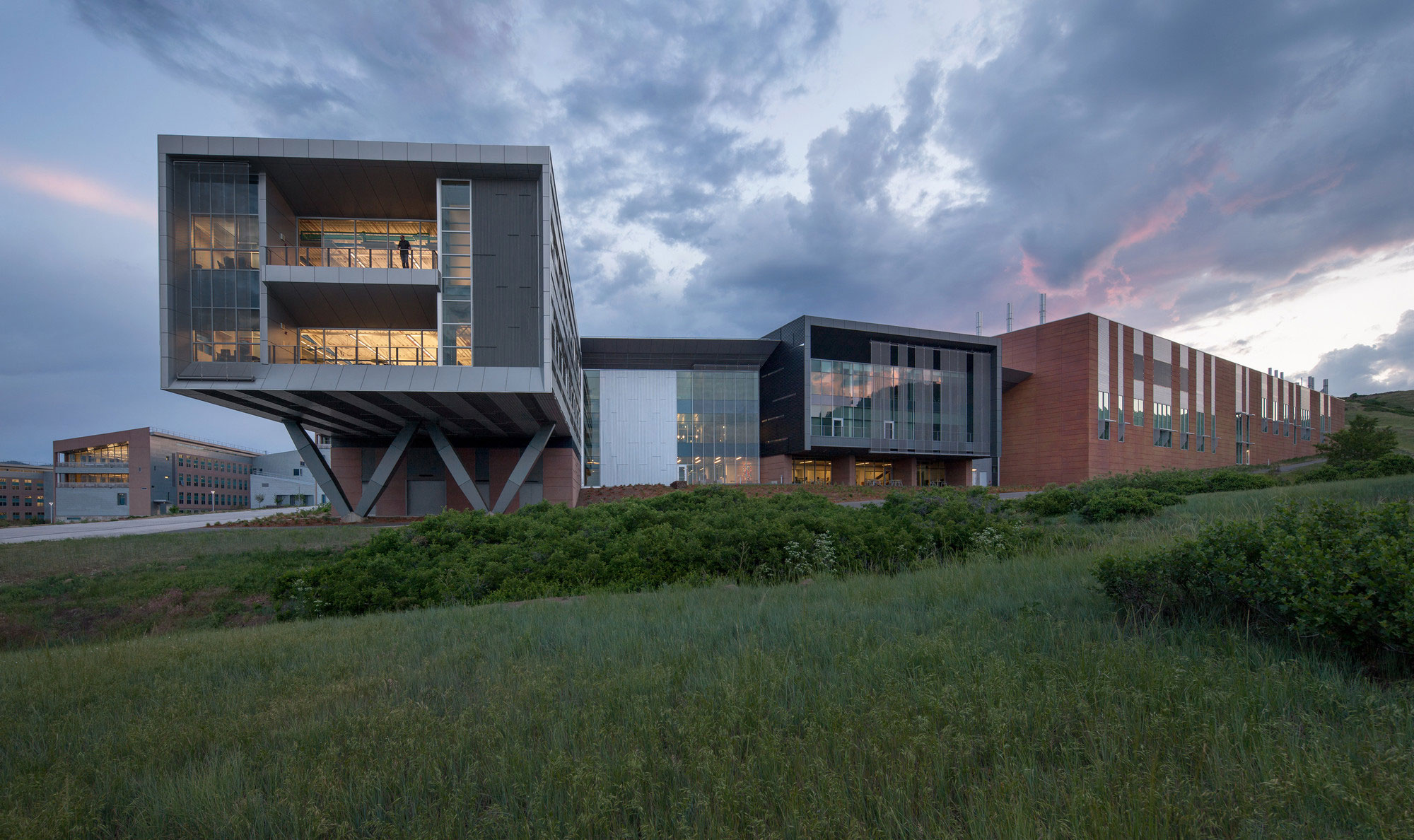
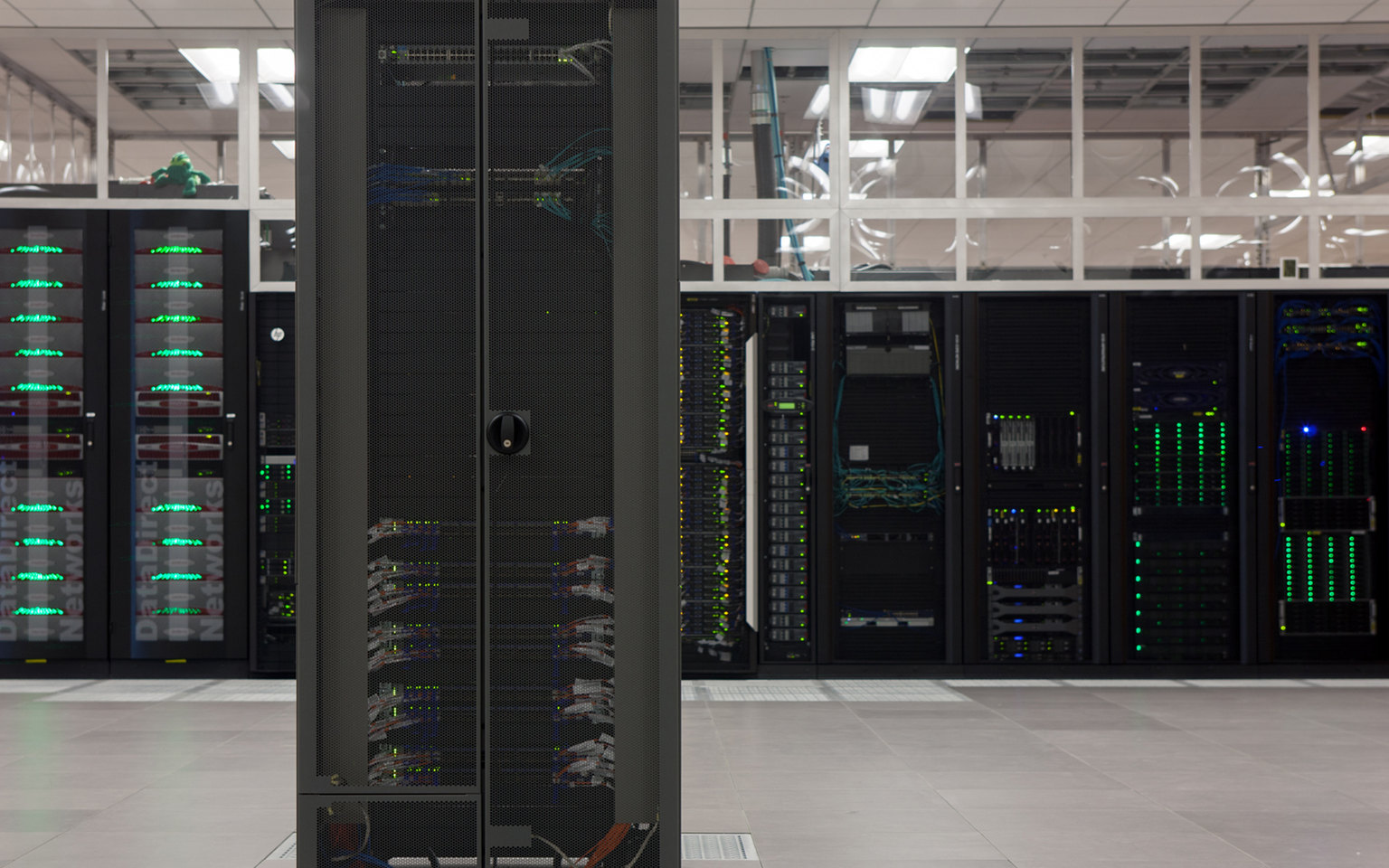
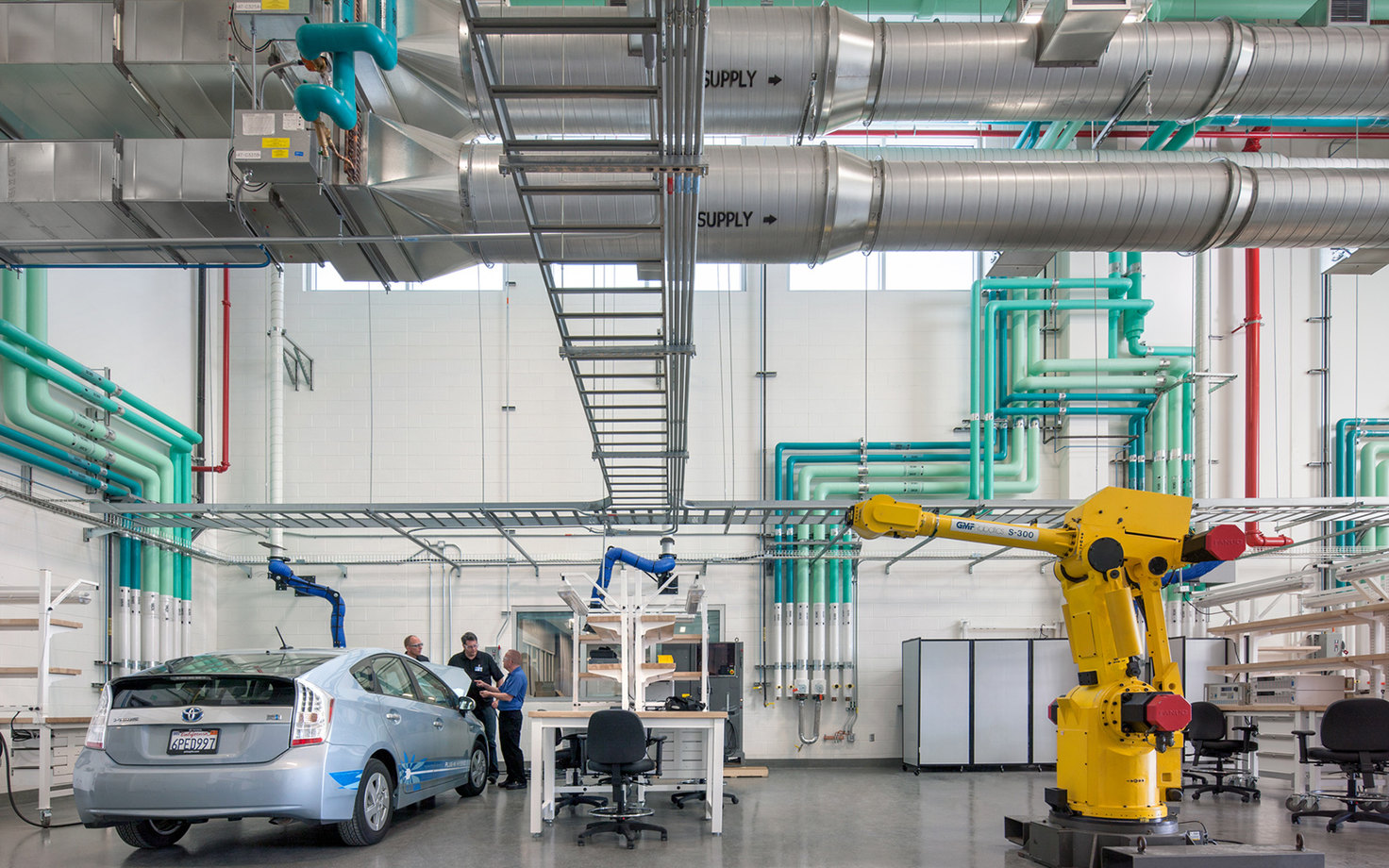
High-performance computing environments demand massive cooling capacity. At NREL’s ESIF facility, the challenge wasn’t just removing heat—it was doing it without relying on energy-intensive systems.
The Challenge
Evaporative cooling strategies for high-density energy research environments
The Energy Systems Integration Facility (ESIF) supports advanced research and high-performance computing—programs that generate significant thermal loads and typically require energy-intensive cooling systems.
NREL set out to challenge that model.
The goal:
- Deliver data-center-level cooling capacity
- While achieving industry-leading energy efficiency
- And reducing dependence on traditional mechanical refrigeration
This created a complex balance between:
- Thermal performance
- Energy consumption
- System reliability
The Solution
APC supported the project team in implementing air handling strategies aligned with ESIF’s high-efficiency cooling approach.
The system design leveraged:
- Evaporative cooling techniques to reduce reliance on compressor-based systems
- High-efficiency air handling solutions to support variable and high-density loads
- Integration with fluid-side and heat-recovery systems
- Coordination with engineering and construction partners to align with a highly specialized facility
The result is a system capable of supporting extreme performance demands while significantly reducing overall energy use.
Project Timeline
Design + Coordination
Early 2010s (original ESIF)
Construction Start
Ongoing Upgrades
Location
Located in Golden, Colorado, NREL serves as a national leader in renewable energy research—making ESIF a critical hub for testing and advancing next-generation energy systems.
- Project Type High-Performance Research + Computing Facility
- Facility Size ~182,000 SF (ESIF full campus context)
- DOAS Units 6 Units
- ERU Units 6 Units
- Total Capacity DOAS 184,000 CFM, ERU 192,000 CFM
- Cooling Strategy Evaporative + hybrid systems
- Power Usage Effectiveness (PUE) ~1.06–1.1 (industry-leading)
- Cooling Load High-density / data center-class
- Energy Goal Minimize mechanical refrigeration dependency